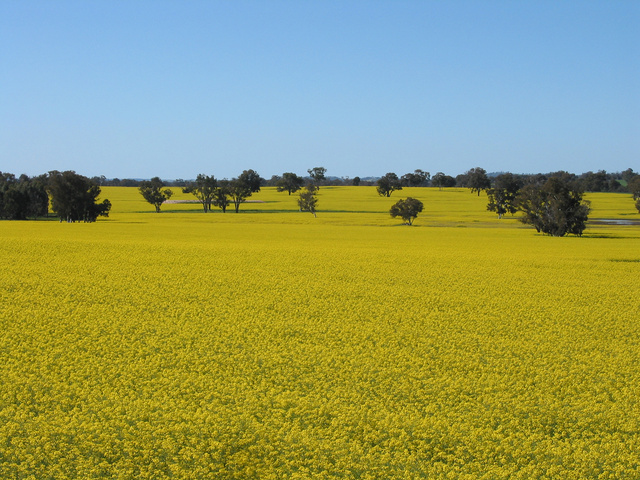
Creating a sustainasdfble landscape for your home is a great way to reduce your environmental impact, conserve resources, and enhance the beauty and functionality of your outdoor space. Here are some steps to help you build a sustainable landscape:
- Plan and Design:
- Start with a well-thought-out plan. Consider your goals, needs, and the local climate.
- Choose native plants that are adapted to your region and require less water and maintenance.
- Soil Improvement:
- Test your soil to understand its composition and quality.
- Amend the soil with organic matter like compost to improve its structure and fertility.
- Water Efficiency:
Install a drip irrigation system or soaker hoses to deliver water directly to plant roots.
Use a rain barrel or a rainwater harvesting system to collect and reuse rainwater.
Group plants with similar water requirements together (hydrozoning).
Choose Sustainable Materials:
Use sustainable and locally sourced materials for hardscape elements like paths, patios, and walls.
Opt for permeable surfaces that allow rainwater to soak into the ground.
Consider recycled or repurposed materials to reduce waste.
Plant Selection:
Choose native plants, as they are adapted to local conditions and require less water and care.
Plant a variety of species to encourage biodiversity and support pollinators.
Avoid invasive species that can harm the local ecosystem.
Wildlife-Friendly Features:
Create habitats for local wildlife, such as birdhouses, bird feeders, or pollinator-friendly gardens.
Avoid the use of pesticides and herbicides that can harm beneficial insects and wildlife.
Reduce Lawn Size:
Lawns require a lot of water and maintenance. Consider reducing the size of your lawn.
Replace some lawn areas with native ground covers, meadows, or edible gardens.
Energy-Efficient Landscaping:
Use trees and shrubs strategically to provide shade and windbreaks, reducing heating and cooling costs.
Plant deciduous trees on the south and west sides to provide summer shade and allow winter sunlight.
Composting and Recycling:
Compost yard waste to create nutrient-rich soil for your garden.
Use recycled or repurposed materials for garden features and structures.
Maintenance Practices:
Adopt organic and sustainable gardening practices to minimize the use of chemicals.
Regularly inspect and maintain your irrigation system to prevent water waste.
Avoid over-fertilizing, as it can lead to water pollution.
Education and Community Involvement:
Learn about local environmental regulations and guidelines.
Share your knowledge with neighbors and community members to promote sustainability.
Regular Monitoring and Adjustments:
Keep an eye on the health of your landscape and make adjustments as needed to maintain sustainability.
Building a sustainable landscape is an ongoing process. It requires patience and a commitment to environmental stewardship. By following these guidelines, you can create a beautiful outdoor space that is both eco-friendly and enjoyable for years to come.

This is a left aligned cover block with a background image.
The cover block lets you add text on top of images or videos.
This blocktype has several alignment options, and you can also align or center the text inside the block.
The background image can be fixed and you can change its opacity and add an overlay color.
Make sure that the text wraps correctly over the image, and that text markup and alignments are working.
The next image should have a pink overlay color, the text should be bold and aligned to the left:

A center aligned cover image block, with a left aligned text.
This is a full width cover block with a fixed background image with a 20% opacity.
Make sure that all the text is readable.

Our last cover image block has a wide width.
This is a wide cover block with a video background.
Compare the video and image blocks.
This block is centered.
The block below has no alignment, and the text is a link. Overlay colors must also work with video backgrounds.